
Observatório de Saúde Urbana de Belo Horizonte
Pesquisa científica, capacitação e produção de conhecimento sobre saúde urbana.
Sobre Nós
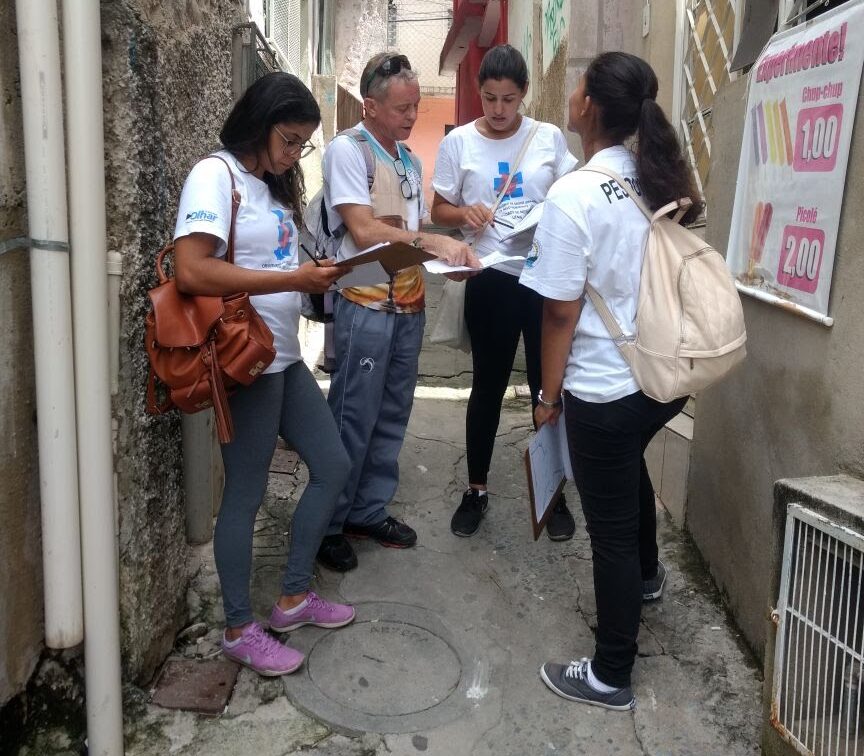
O Observatório de Saúde Urbana de Belo Horizonte (OSUBH), fundado em 2002, busca ampliar e avançar no conhecimento sobre saúde urbana por meio de pesquisa científica.
Novidades
Association between household deprivation and living in informal settlements and incidence of diarrhea in children under 5 in eleven Latin American cities
O objetivo deste estudo é compreender melhor os atributos físicos das famílias em assentamentos informais nas cidades latino-americanas que estão associados à diarreia infantil.
Em abordagem interseccional, pesquisa mapeia insegurança alimentar em comunidades de BH
Quatro em cada dez moradores do Aglomerado da Serra e da Cabana do Pai Tomás, duas das maiores comunidades de favelas da capital mineira, vivem em condição moderada ou grave de insegurança alimentar. O dado aparece na pesquisa Insegurança alimentar e nutricional sob a perspectiva da interseccionalidade no município de Belo Horizonte – MG, que levantou informações socioeconômicas com base na associação entre desigualdades históricas e vulnerabilidade da população em relação à insegurança alimentar. O estudo foi desenvolvido por Karynna Ferreira no âmbito do Programa de Pós-graduação em Saúde Pública da Faculdade de Medicina da UFMG. Valendo-se de dados do Projeto BH-Viva, empreendido pelo Observatório de Saúde Urbana (OSUBH), a
Populações vulnerabilizadas correm risco de insegurança alimentar em BH, aponta estudo da UFMG
Mulheres negras em condições socioeconômicas desfavoráveis apresentaram uma chance sete vezes maior de enfrentar a insegurança alimentar em comparação com homens brancos em condições socioeconômicas mais favoráveis em duas favelas de Belo Horizonte, traz a matéria publicada pela Faculdade de Medicina da UFMG. Essa é uma das conclusões da dissertação de Karynna Ferreira defendida no Programa de Pós-Graduação em Saúde Pública da Faculdade de Medicina da UFMG, sob a orientação da Profa. Dra. Elis Borde e coorientação da Profa. Dra. Aline Dayrell. O estudo utilizou dados do Projeto BH-Viva, realizado pelo Observatório de Saúde Urbana (OSUBH) da Faculdade de Medicina da UFMG, e os resultados apontaram que esse problema é
Confira a nossa página de públicações para ter acesso a mais materiais.